The Safari Experience
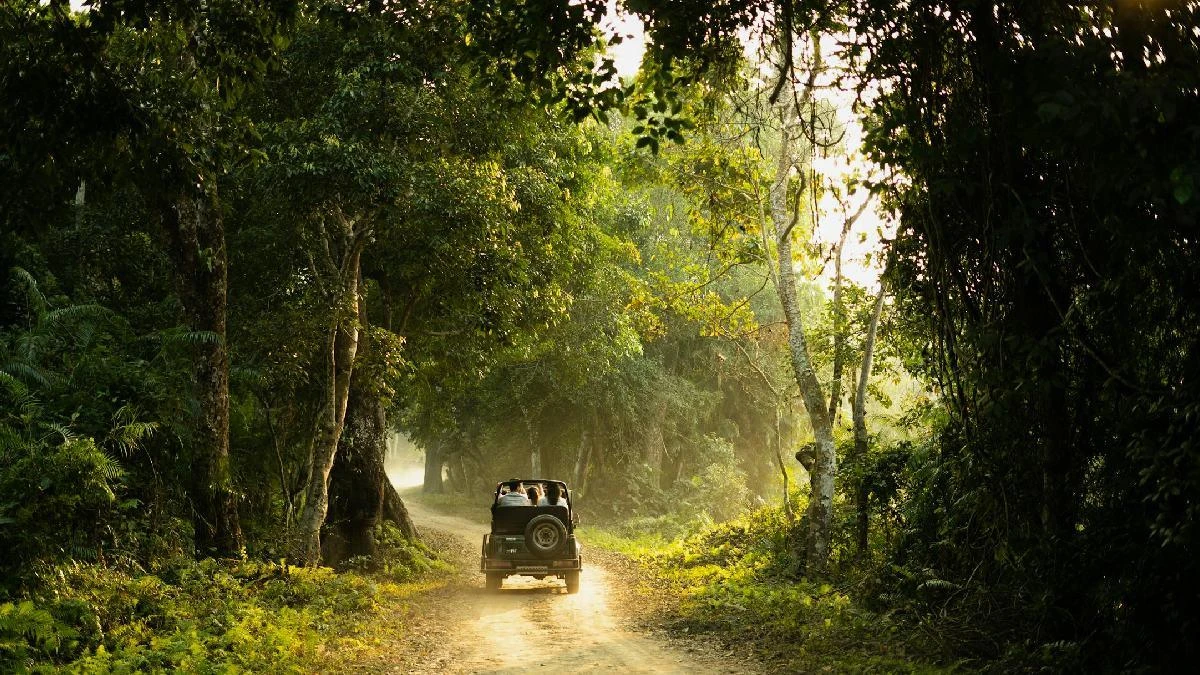
A safari experience in which visitors would travel through naturalistic animal habitats in specially protected vehicles.
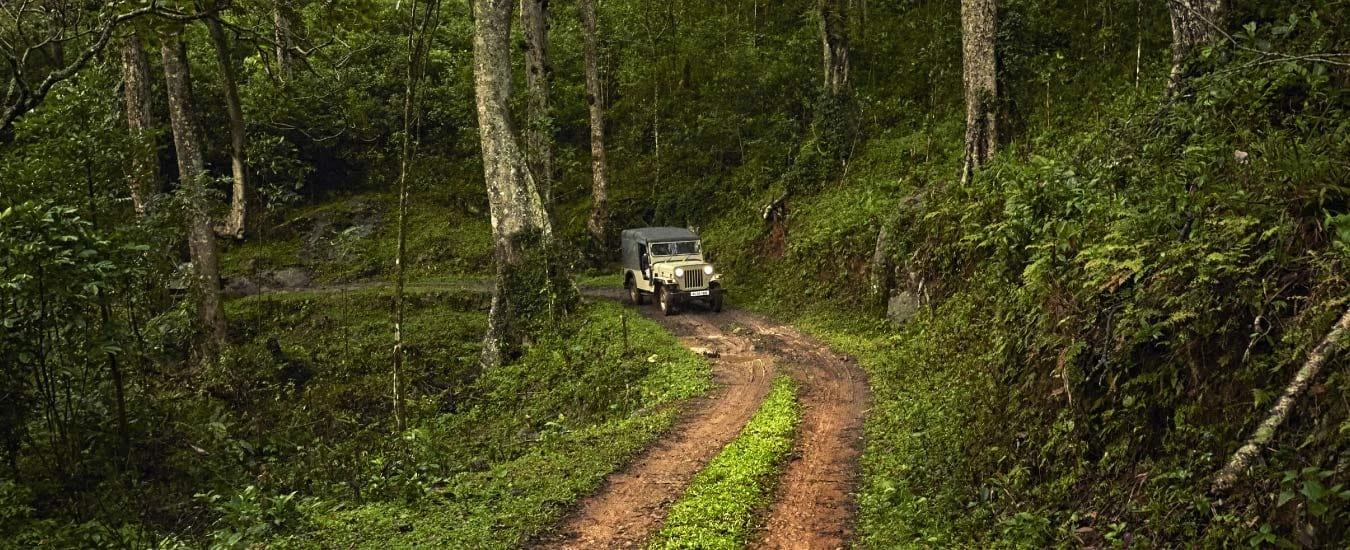 Representative image
Travel through the wild
In a safari park, animals live in large, open, naturalistic enclosures, and visitors move through those habitats in vehicles built for safety. It turns the conventional zoo around: instead of walking past enclosures, visitors enter the animals' landscape.
Nadukani's safari is planned around this idea. Details of the vehicles, route, duration and charges will be shared once they are officially announced.
Safari at a glance
| Safari concept | Proposed |
|---|---|
| Vehicles | Specially protected vehiclesConcept, details awaited |
| Safari route | To be announced |
| Duration | Not announced |
| Safari ticket | Not announced |
| Vehicle charges | Not announced |
| Online booking | Not confirmed |
Safety on safari
- Stay seated inside the vehicle at all times
- Keep windows and doors as instructed by staff
- Never feed, call out to or tease animals
- Keep noise low and follow your guide
- Follow all official park rules once they are published
General safari-park practice. These are not official Nadukani rules.
A typical safari park visit
An illustration of how safari parks generally work. Nadukani's visitor flow will be confirmed in official plans.
Arrive & orient
Visitors usually begin at a reception area with information on habitats and safety.
Board a protected vehicle
Guided vehicles carry visitors safely into the habitat zones.
Travel through habitats
Animals are observed in large, naturalistic spaces rather than small enclosures.
Explore on foot
Many parks pair the safari with walk-through areas such as museums and gardens.